
We may earn money or products from the companies mentioned in this post.
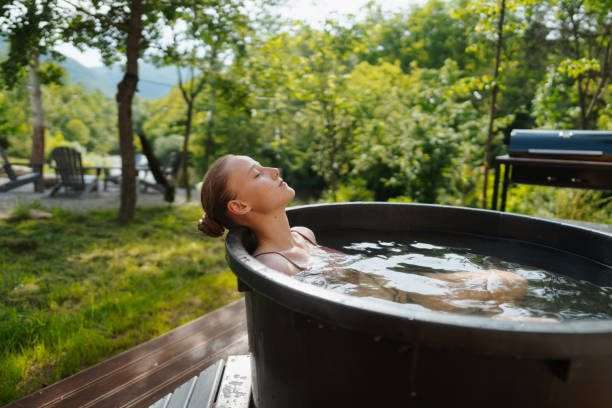
Cold plunge therapy is becoming more popular for improving health and wellbeing. It involves dipping in cold water, which boosts circulation, immunity, and mental clarity. This practice combines ancient wisdom with modern science for a natural approach to wellness.

Key Takeaways
- Cold plunge benefits boost physical and mental health simultaneously.
- It enhances immunity and supports cardiovascular function through short-term cold exposure.
- Regular use can improve resilience to stress and sharpen cognitive performance.
- Guidelines ensure safe adoption for all experience levels.
- Outperforms some conventional recovery techniques in holistic results.
Introduction to Cold Plunge Therapy

Cold plunge therapy involves exposing the body to cold water immersion in controlled settings. This practice, often done in specialized tanks or natural environments, has gained traction for its potential health benefits.
By submerging the body in icy water for short periods, users aim to boost physical and mental resilience.
Understanding the Basics

Cold plunge therapy typically uses water between 50°F to 70°F. Sessions last 1–5 minutes, encouraging the body to adapt to stress. Proponents claim this adaptation enhances endurance and reduces inflammation.
Cold water immersioncan be done through plunge pools, ice baths, or even natural lakes.
Historical Context
- Norse traditions: Vikings used cold water dips to endure harsh climates.
- Finland’s heritage: Contrast bathing combines saunas with cold plunges for vitality.
- Russian banyas: Cold plunges followed steam baths for centuries.
Modern cold plunge therapy blends ancient practices with scientific research. Athletes and wellness enthusiasts now use it to recover faster and improve focus. This revival highlights its enduring appeal across cultures and eras.
Uncovering the Science Behind Cold Plunge Benefits
Cold plunge benefits start at the cellular level. When you’re in cold water, your body’s core stays warm. But your outer tissues cool down. This leads to a series of changes, like more norepinephrine production.

Norepinephrine is a hormone that helps reduce inflammation and improves focus. Improved circulation is another big benefit. Cold water first makes blood vessels narrow, then they widen as you warm up.
This process makes your blood vessels stronger over time. Studies show that regular cold plunges can increase red blood cells.
This means more oxygen gets to your muscles and organs.
- Blood flow to extremities increases post-immersion
- Improved circulation reduces muscle soreness
- Enhanced nutrient delivery to tissues
Cellular adaptation is also important. Mitochondria, the energy makers in cells, work better after cold exposure. This makes your cells more resilient and may slow aging.
Research in sports medicine journals shows these benefits in athletes. They recover faster from hard workouts. These changes happen because your body adapts to the cold.
Consistent cold plunge sessions lead to lasting benefits. Scientists say gradual exposure is best. It helps your body adapt without getting too stressed.

Cold Plunge: Boosting Immunity and Circulation
Cold plunge therapy makes your body healthier. It boosts improved circulationand boosted immunity. This is backed by studies on how temperature affects the body.

Improved Blood Flow
Being in cold water makes your body’s blood vessels change. This helps improved circulation. It brings oxygen and nutrients better to your cells.
Regular use can:
- Reduce muscle soreness after working out
- Help your heart stay healthy
- Speed up healing from injuries
Enhanced Immune Response
Cold water makes your body release more white blood cells. This strengthens your immune system. Over time, you get sick less often and recover faster.
Ice bath therapy is similar but focuses more on muscle recovery after exercise. Cold plunges aim for long-term health benefits. They balance intensity to avoid too much stress.
Both methods challenge your body but in different ways.
Mental Clarity and Stress Relief Through Cold Plunge
Cold plunge therapy does more than just help your body. It also improves your mind. It lowers stress hormones and boosts happy hormones. People say they feel more focused and calm after using it.

When you take a cold plunge, your body responds in a good way. It releases chemicals that help you relax. Even a short dip can calm your mind and help you focus.
- Stress reduction through hormonal balance
- Improved focus and cognitive function
- Natural mood enhancement without medication
Many people feel a clear mind after a cold plunge. It’s great for making decisions or being creative. Adding cold plunge to your routine can help you handle stress better. Doing it regularly can make it a key part of your mental health plan.
Integrating Cold Plunge into a Healthy Lifestyle

To get the most out of cold plunge benefits, it’s important to add it to your daily routine. Mixing cold water immersion with your current wellness habits can boost your health even more. Start by setting a regular time for your sessions to make it a habit.

Establishing a Routine
Begin with 30-second plunges, 2-3 times a week. As you get used to it, you can make them longer. Keep track of how you feel with a journal or app.
Try to do them in the morning to wake up or after working out to recover.
- Start with short sessions and increase them slowly
- Choose the same time every day for your plunges
- Do them with mindfulness exercises for better focus
Complementing Exercise and Nutrition
After working out, a cold plunge can help your muscles recover by reducing swelling. Eat protein-rich foods after to help fix your muscles. Drink water before and after to keep your blood flowing well. Don’t have too much caffeine before to stay calm during the plunge.
Doing cold plunges after workouts can also improve your endurance. Eating foods full of antioxidants can help your body handle the cold plunge benefits better. Keeping up with plunges, exercise, and healthy eating is key to a well-rounded health plan.
Safety Guidelines and Best Practices for Cold Plunge Therapy
Using ice bath therapy safely means being ready and knowing how to recover. Follow these steps to avoid risks and get the most benefits.
Pre-plunge Considerations
- Always talk to a healthcare provider before starting ice bath therapy, especially if you have heart conditions or hypertension.
- Start with 30-second sessions and increase the time slowly to get used to it.
- Wear thermal swimwear and neoprene caps to protect against extreme temperatures.
- Avoid immersion if under the influence of alcohol or medication affecting heart rate.
Post-plunge Recovery

Recovery steps after ice bath therapy are crucial.
Key actions include:
- Gradually warm up with a towel wrap or warm (not hot) shower post-session.
- Hydrate immediately with electrolyte drinks to restore mineral balance.
- Monitor for signs of hypothermia like persistent shivering or dizziness.
- Wait at least 24 hours between sessions to allow body adaptation.
Never rush into prolonged exposure. Listen to your body’s signals and adjust routines as needed. Prioritizing these practices ensures ice bath therapy remains both beneficial and safe.
Comparing Cold Plunge with Other Recovery Modalities
Cold plunge therapy is unique compared to other recovery methods. Saunas use heat to widen blood vessels. But cold plunge benefits come from quick narrowing and widening of blood vessels, boosting improved circulation. It also helps deliver more oxygen to tissues, unlike static stretches.

- Saunas: Elevate heart rate but lack the metabolic boost from cold-induced thermogenesis.
- Dynamic Stretching: Enhances mobility without addressing inflammation reduction.
- Cold Plunge: Combines immediate pain relief with long-term adaptations, such as boosted immunity and sustained cold plunge benefits for athletes.
Studies highlight cold plunges’ ability to balance stress hormones like cortisol. This gives it an edge over just resting. It also beats foam rolling or massage in speeding up muscle recovery. Athletes often pair cold plunges with yoga for a complete recovery, improving both physical and mental health.
Expert Opinions and Personal Testimonials
Health experts and regular people see big changes with cold plunge therapy. Doctors and researchers talk about how it boosts boosted immunity and improves health.

Insights from Health Professionals
Dr. Emily Torres, a sports medicine doctor, says cold water helps the immune system. A 2023 study in the Journal of Alternative Therapies showed people using cold plunge therapy got sick less often. This supports the idea of boosted immunity.
Physical therapists also talk about its benefits. They say it helps athletes recover faster because of its anti-inflammatory effects.
Real User Experiences
- Mark, a marathon runner, credits cold plunges for reducing muscle soreness and enhancing focus.
- Sara, a nurse, shares how the practice helped manage chronic pain and boosted her energy levels.
- James, a fitness enthusiast, mentions increased mental resilience after months of consistent use.
Many people talk about feeling better physically and mentally. While results can differ, most say they feel great when they also exercise and eat well.
Step-by-Step Guide to Mastering Your Cold Plunge Routine
Starting ice bath therapy or cold water immersion needs careful planning. This ensures you get the most benefits safely. Follow these steps to create a routine that boosts both physical and mental health.
Preparation and Mindfulness
Start by warming up with light exercise like jogging or jumping jacks. Take deep breaths to calm your nervous system. Begin with shorter times, like 30 seconds, and increase weekly.
Wear a neoprene cap to protect your head. Focus on rhythmic breathing to reduce shock during immersion.
Effective Aftercare Strategies
After getting out of the cold water, dry off with a towel and put on warm clothes. Drink fluids with electrolytes to replace lost minerals.
Here’s what to do next:
- Sit quietly for 10 minutes to stabilize your heart rate
- Apply moisturizer to keep your skin hydrated
- Rest in a warm room for 30 minutes
Do cold water immersion 2-3 times a week. Keep a journal to track your progress. Note the time, how you feel, and any physical reactions. Adjust your sessions based on how you feel and your goals. Always check with a healthcare provider before starting if you have heart concerns.
Conclusion

Cold plunge therapy is a powerful tool for holistic health. It offers benefits for both body and mind. It improves circulation and boosts immunity, fitting into the trend of proactive wellness.
Studies show that regular cold plunges can strengthen the immune system. They also improve blood flow, boosting overall health.
To use cold plunge safely, follow guidelines like gradual exposure and proper care after use. Many gyms and wellness centers now offer programs. This makes it easier to try this science-backed method.
Adding exercise and nutrition to cold plunge therapy can enhance its benefits. This creates a well-rounded approach to health.
For those focusing on long-term wellness, cold plunge is a great choice. It’s supported by research and has real success stories. Look for local options or talk to health experts to start enjoying its benefits.
FAQ
What are the primary benefits of cold plunge therapy?
Cold plunge therapy boosts circulation and strengthens the immune system. It also reduces stress and improves mental clarity. These benefits come from the body’s response to cold water, promoting wellness and recovery.
How frequently should one engage in cold plunge therapy to see results?
For the best results, doing cold plunge therapy a few times a week is recommended. Regular use can improve immune function and muscle recovery.
Are there any risks associated with cold plunge therapy?
While safe for many, cold plunge therapy requires safety precautions. People with certain health issues should talk to a doctor first. This is to avoid risks like hypothermia or shock.
How does cold water immersion compare to other recovery methods?
Cold plunge therapy is known for its effectiveness in reducing inflammation and speeding up muscle recovery. It’s often preferred over ice baths or saunas. Cold plunges are especially good for improving circulation and overall well-being.
Can cold plunge therapy provide mental health benefits?
Yes, cold water therapy can lower stress hormones and boost mood. It helps reduce anxiety and improves focus. This makes it a great tool for mental health.
Is there a recommended duration for cold plunge sessions?

The usual time for cold plunge sessions is 2 to 5 minutes. This allows for benefits without too much discomfort. It’s important to listen to your body and adjust the time as needed.
How can someone safely prepare for a cold plunge?
Getting ready for a cold plunge is key. Start by getting used to cooler temperatures slowly. Stay hydrated and use mindfulness to calm your nerves about the cold.
What should one do after a cold plunge session?
After a cold plunge, warming up slowly is important. Stay hydrated and do some light stretching. These steps help you get the most out of the therapy and aid in recovery.
Are there specific populations who should avoid cold plunge therapy?

People with heart problems, severe sensitivity, or other health issues should avoid cold plunge therapy. It’s crucial to check your health before starting this practice.
*We may utilize AI content
