
We may earn money or products from the companies mentioned in this post.
Did you know that over 100 million people in the United States alone are seeking effective anti-aging treatments? The quest for youthful vitality has led to groundbreaking research in stem cell therapy, revolutionizing the field of anti-aging.

Stem cell rejuvenation is at the forefront of this innovation, offering new hope for those looking to rejuvenate their bodies and minds.
By harnessing the power of stem cells, scientists are developing treatments that not only address the symptoms of aging but also target its underlying causes.
Key Takeaways
- Stem cell therapy is emerging as a leading anti-aging treatment.
- Rejuvenation through stem cells targets the root causes of aging.
- New treatments aim to restore youthful vitality and improve overall health.
- The use of stem cells in anti-aging is backed by cutting-edge research.
- Potential for significant improvements in the quality of life for many individuals.
The Science Behind Aging and Cellular Degeneration
Your biological clock ticks away, influencing how your cells age and deteriorate over time. This intrinsic timing mechanism is crucial in understanding the aging process and its effects on your body.
Understanding the Biological Clock
The biological clock refers to the internal mechanisms that regulate the aging process. It’s influenced by a combination of genetic, environmental, and lifestyle factors. As you age, your cells’ ability to regenerate and maintain homeostasis declines, leading to the visible signs of aging.
How Cells Age and Deteriorate

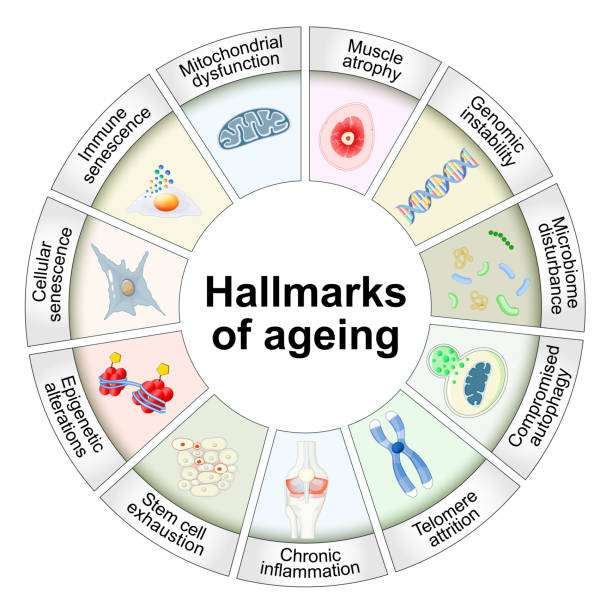
Cellular degeneration occurs due to a variety of factors, including DNA damage, oxidative stress, and epigenetic changes. These changes can lead to cellular degeneration, where cells lose their function and contribute to the aging process.
Understanding these mechanisms is key to developing effective anti-aging treatments.
Factor | Impact on Cells | Result |
DNA Damage | Genetic mutations and instability | Cellular dysfunction |
Oxidative Stress | Cellular component damage | Accelerated aging |
Epigenetic Changes | Altered gene expression | Loss of cellular identity |
What Are Stem Cells and Their Regenerative Potential
Understanding stem cells is essential to unlocking their regenerative potential, which could transform the future of anti-aging treatments. Stem cells are a class of cells that have the unique ability to differentiate into various cell types, making them crucial for regenerative medicine.

Embryonic vs. Adult Stem Cells
Embryonic stem cells are derived from embryos and have the ability to differentiate into any cell type, offering vast regenerative potential.
In contrast, adult stem cells, found in adult tissues, have a more limited differentiation capacity but are still vital for tissue repair and maintenance.
Induced Pluripotent Stem Cells (iPSCs)
Induced pluripotent stem cells (iPSCs) are generated by reprogramming adult cells to have pluripotent capabilities similar to embryonic stem cells. This breakthrough has opened new avenues for personalized medicine and regenerative therapies.
Mesenchymal Stem Cells (MSCs)
Mesenchymal Stem Cells (MSCs) are a type of adult stem cell that can differentiate into a variety of cell types, including bone, cartilage, and muscle cells. MSCs are particularly promising for their role in tissue repair and immunomodulation.
The diverse types of stem cells and their unique properties underscore their vast regenerative potential, paving the way for innovative anti-aging treatments and therapies.
The Evolution of Anti-Aging Treatments
Anti-aging treatments have undergone a remarkable transformation, shifting from superficial solutions to more profound, scientifically-backed approaches. You are now witnessing a significant shift in how aging is addressed, moving beyond mere cosmetic fixes to treatments that target the underlying causes of aging.

Traditional Cosmetic Approaches
Traditionally, anti-aging treatments focused on cosmetic approaches such as topical creams, serums, and surgical procedures aimed at reducing visible signs of aging like wrinkles and age spots. While these methods can offer temporary improvements, they often fail to address the underlying cellular degeneration that drives the aging process.
Pharmaceutical Interventions
The next step in the evolution of anti-aging treatments involved pharmaceutical interventions, including hormone replacement therapy and various medications aimed at mitigating certain aspects of aging. However, these interventions can have limitations and potential side effects, highlighting the need for safer, more effective alternatives.
The Paradigm Shift to Cellular Rejuvenation

The latest development in anti-aging treatments is the paradigm shift towards cellular rejuvenation, leveraging the body’s natural regenerative capabilities. This approach, particularly through the use of stem cells, promises not just to mask the signs of aging but to potentially reverse certain aspects of it by addressing the root cause: cellular degeneration.
How Stem Cell Therapy Works for Rejuvenation
Rejuvenation through stem cell therapy involves utilizing stem cells to revitalize aging cells and tissues. This therapeutic approach has garnered significant interest due to its potential to address various aspects of aging.
The Mechanism of Cellular Regeneration
Stem cell therapy promotes cellular regeneration through several mechanisms. Two key theories underpin this process:
Cell Replacement Theory
The cell replacement theory posits that stem cells can differentiate into specialized cells, replacing damaged or aged cells. This replacement therapy aims to restore tissue function and vitality.
Paracrine Signaling Effects
Paracrine signaling involves the release of growth factors and cytokines by stem cells, which can stimulate cellular repair and regeneration. This signaling mechanism plays a crucial role in the therapeutic effects observed with stem cell therapy.
Targeting Specific Aging Biomarkers

Stem cell therapy can target specific aging biomarkers associated with cellular senescence and degeneration. By addressing these biomarkers, the therapy aims to mitigate the visible and physiological effects of aging.
Aging Biomarker | Description | Stem Cell Therapy Approach |
Senescent Cells | Cells that have entered a state of permanent cell cycle arrest | Targeting senescent cells for removal or rejuvenation |
Telomere Shortening | Progressive shortening of telomeres with each cell division | Enhancing telomerase activity to maintain telomere length |
Epigenetic Changes | Alterations in gene expression without changing the DNA sequence | Reprogramming epigenetic marks to a more youthful state |
Delivery Methods and Protocols
The effectiveness of stem cell therapy for rejuvenation depends on the delivery method and protocol used. Various approaches, including intravenous infusion, intramuscular injection, and topical application, are being explored to optimize therapeutic outcomes.

Current Applications of Stem Cells in Anti-Aging Medicine
The potential of stem cells to regenerate and rejuvenate tissues is being harnessed in various anti-aging treatments. As research continues to unfold, the applications of stem cells in medicine are expanding, offering promising solutions for rejuvenation and healthspan extension.
Skin Rejuvenation Treatments

Stem cells are being utilized in skin rejuvenation treatments to enhance collagen production and reduce signs of aging such as scars and wrinkles. This approach leverages the regenerative capabilities of stem cells to improve skin texture and appearance.
Collagen Production Enhancement
Stem cell therapies are being explored for their ability to boost collagen production, a critical factor in maintaining youthful skin. Enhanced collagen levels can lead to improved skin elasticity and reduced fine lines.
Scar and Wrinkle Reduction

By promoting tissue regeneration, stem cell treatments can also reduce the appearance of scars and wrinkles, offering a more even-toned and smoother complexion.
Joint and Mobility Restoration
Stem cell therapy is also being applied to restore joint health and mobility. This is particularly beneficial for individuals suffering from degenerative joint diseases, where stem cells can help regenerate damaged tissues.
Treatment Area | Application | Benefit |
Skin | Rejuvenation | Improved texture and appearance |
Joints | Restoration | Enhanced mobility and reduced pain |
Cognitive Function | Enhancement | Potential improvement in cognitive health |
Cognitive Function Enhancement
Emerging research suggests that stem cells may also play a role in enhancing cognitive function. This could potentially lead to new treatments for age-related cognitive decline.

The Role of Stem Cells in Longevity Research
The potential of stem cells to extend human healthspan and lifespan is a rapidly advancing area of research. As scientists delve deeper into the mechanisms of aging, stem cells have emerged as a crucial component in understanding and potentially manipulating the aging process.
Extending Healthspan vs. Lifespan
Research into stem cells is highlighting the distinction between healthspan—the period of life spent in good health—and lifespan—the total length of life. Stem cell therapies aim to improve healthspan by rejuvenating tissues and organs, potentially leading to a longer, healthier life.
Studies have shown that stem cells can repair damaged tissues and restore cellular function, which is critical in addressing age-related decline.
Key Research Breakthroughs
Recent breakthroughs in stem cell research have provided insights into the aging process. For instance, the use of induced pluripotent stem cells (iPSCs) has enabled researchers to model aging and test potential interventions.
Research Area | Breakthrough | Implication |
iPSC Technology | Modeling aging diseases | Potential therapeutic applications |
Stem Cell Therapy | Tissue rejuvenation | Improved healthspan |
Stem Cell Research | Understanding cellular aging | New targets for intervention |

Benefits and Potential Outcomes of Stem Cell Rejuvenation
The potential of stem cell therapy to rejuvenate and restore your body’s natural functions is vast and exciting. As research continues to advance, the benefits of stem cell rejuvenation are becoming increasingly evident, offering a promising avenue for those seeking to counteract the effects of aging.
Pysical Benefits
Stem cell rejuvenation can lead to significant physical improvements. By targeting the root causes of aging, this therapy can help restore your physical vitality.
Improved Tissue Regeneration
One of the key physical benefits is improved tissue regeneration. Stem cells can repair or replace damaged tissues, leading to enhanced overall health and functionality.
Enhanced Energy and Vitality

Many individuals report enhanced energy and vitality following stem cell therapy, making it easier to engage in daily activities and enjoy a more active lifestyle.
Cognitive Benefits
In addition to physical benefits, stem cell rejuvenation may also have a positive impact on cognitive function. Research suggests that stem cell therapy can help improve memory, concentration, and overall brain health.
Quality of Life Improvements

The cumulative effect of physical and cognitive benefits can lead to significant quality of life improvements. By addressing various aspects of aging, stem cell rejuvenation can help you maintain your independence and enjoy a more fulfilling life.

Risks and Limitations of Stem Cell Treatments
You should be aware that stem cell treatments, despite their potential benefits, are not without risks and limitations. As the use of stem cells for rejuvenation and anti-aging continues to grow, it’s essential to consider the potential downsides.
Safety Concerns
Safety concerns surrounding stem cell treatments include the risk of immune rejection and the potential for tumor formation. Ensuring the safety of these treatments requires rigorous testing and monitoring.
Potential Side Effects
Potential side effects of stem cell treatments can range from mild to severe and may include infection, inflammation, or unintended cell growth. Understanding these risks is crucial for patient safety.
Regulatory Challenges
The regulatory landscape for stem cell treatments is complex and varies by country. In the United States, the FDA plays a critical role in overseeing the approval and use of stem cell therapies. Ensuring compliance with regulatory requirements is essential for the safe and effective use of these treatments.
Risk Category | Description | Mitigation Strategy |
Safety Concerns | Immune rejection, tumor formation | Rigorous testing, patient monitoring |
Potential Side Effects | Infection, inflammation, unintended cell growth | Proper patient screening, post-treatment care |
Regulatory Challenges | Compliance with FDA regulations | Adherence to regulatory guidelines, ongoing research |
Accessibility and Cost Considerations

Stem cell treatments are at the forefront of anti-aging medicine, but their accessibility and cost remain significant concerns for potential patients.
As the demand for these therapies grows, it’s essential to understand the current landscape of stem cell treatment availability and the financial implications involved.
Current Market Availability
The market for stem cell therapies is expanding rapidly, with various treatments now available for different anti-aging applications. Clinics and research institutions across the United States are offering a range of stem cell-based treatments, from skin rejuvenation to joint health restoration.
Insurance Coverage and Out-of-Pocket Expenses
One of the significant barriers to accessing stem cell treatments is the cost. Insurance coverage varies widely, with some plans covering certain stem cell therapies for specific conditions while others do not. Patients often need to consider substantial out-of-pocket expenses.
Treatment Type | Average Cost | Insurance Coverage |
Skin Rejuvenation | $2,000 – $5,000 | Rarely Covered |
Joint Restoration | $3,000 – $10,000 | Sometimes Covered |
Cognitive Enhancement | $4,000 – $12,000 | Usually Not Covered |
Geographic Disparities in Access
Access to stem cell therapies is not uniform across different regions. Major cities and areas with advanced medical research facilities tend to have more options. Patients in rural or less medically advanced areas may face challenges in accessing these treatments.
Ethical Considerations in Stem Cell Research and Treatment

Stem cell research and treatment are at the forefront of medical innovation, but they also present complex ethical dilemmas. As you explore the potential benefits of stem cell therapy, it’s essential to consider the ethical implications that accompany these advancements.
Sourcing and Consent Issues

One of the primary ethical concerns in stem cell research revolves around the sourcing of stem cells and the issue of informed consent. Embryonic stem cells, for instance, are derived from embryos, raising questions about the moral status of these entities and the consent required for their use.
You must consider the ethical frameworks that guide the procurement and use of stem cells, ensuring that they are obtained in a manner that respects ethical standards.
Balancing Innovation with Ethical Standards
The rapid advancement of stem cell therapies necessitates a balance between innovation and ethical considerations. As researchers push the boundaries of what is possible, they must also adhere to stringent ethical guidelines that protect patients and ensure the responsible development of these treatments.
You should be aware of the ongoing efforts to harmonize regulatory frameworks globally, facilitating the ethical development and application of stem cell therapies.
By addressing these ethical considerations, the scientific community can foster trust and ensure that stem cell research and treatment are developed in a manner that is both innovative and responsible.
The Future Landscape of Stem Cell Anti-Aging Therapies

Stem cell anti-aging therapies are on the cusp of a breakthrough, transforming the landscape of rejuvenation treatments. As research continues to advance, the potential applications of stem cells in anti-aging medicine are becoming increasingly evident.
Emerging Technologies and Approaches
New technologies are being developed to enhance the efficacy and safety of stem cell therapies. For instance, genetic editing tools like CRISPR/Cas9 are being explored to improve the regenerative capabilities of stem cells. Additionally, 3D bioprinting is being investigated for its potential to create customized stem cell-based tissues for transplantation.
Technology | Application | Potential Benefit |
CRISPR/Cas9 | Genetic editing of stem cells | Enhanced regenerative capability |
3D Bioprinting | Customized tissue creation | Personalized transplantation solutions |
Integration with Other Anti-Aging
Strategies

Stem cell therapies are not being developed in isolation; they are being integrated with other anti-aging strategies to maximize their effectiveness. For example, combining stem cell treatments with senolytic therapy, which targets senescent cells, may offer synergistic benefits in rejuvenation.
Predictions from Leading Researchers
Leading researchers in the field predict that stem cell anti-aging therapies will continue to evolve, offering more personalized and effective treatments. According to recent studies, the integration of artificial intelligence in stem cell research may accelerate the discovery of new therapeutic applications.
Conclusion: Embracing the Stem Cell Revolution in Anti-Aging

You are on the cusp of a revolution in anti-aging treatments, one that leverages the power of stem cells to rejuvenate your body and mind. The stem cell revolution is transforming the landscape of age-related therapies, offering new hope for those seeking to restore their youthful vitality.

As we’ve explored, stem cell therapy works by harnessing the regenerative potential of stem cells to target specific aging biomarkers, promoting cellular regeneration and renewal.
By embracing this innovative approach, you can potentially benefit from improved physical and cognitive function, enhanced quality of life, and a more youthful appearance.
As research continues to advance, the future of anti-aging looks brighter than ever, with stem cell therapies poised to play a leading role. You can now explore the possibilities of stem cell rejuvenation and take the first step towards a more vibrant, healthier you.
FAQ
What is stem cell rejuvenation?

Stem cell rejuvenation is a therapeutic approach that utilizes stem cells to restore or improve the function of damaged or aged cells, tissues, or organs.
How do stem cells work in anti-aging treatments?
Stem cells work by regenerating or repairing damaged cells, tissues, or organs, which can lead to improved physical and cognitive function, and a more youthful appearance.
What are the different types of stem cells used in rejuvenation therapies?

The most common types of stem cells used in rejuvenation therapies are adult stem cells, embryonic stem cells, induced pluripotent stem cells (iPSCs), and mesenchymal stem cells (MSCs).
Are stem cell treatments safe?
While stem cell treatments have shown promise, they can also carry risks, such as infection, immune rejection, or unintended side effects.
How are stem cells sourced for therapeutic use?

Stem cells can be sourced from various tissues, including bone marrow, adipose tissue, and umbilical cord blood, and can be isolated, cultured, and expanded for therapeutic use.
What are the benefits of stem cell therapy for anti-aging?
The benefits of stem cell therapy for anti-aging include improved tissue regeneration, enhanced energy and vitality, and cognitive function enhancement.
Can stem cell therapy be used in conjunction with other anti-aging treatments?

Yes, stem cell therapy can be used in conjunction with other anti-aging treatments, such as pharmaceutical interventions, cosmetic procedures, and lifestyle modifications, to enhance their effectiveness.
How do I determine if stem cell therapy is right for me?
To determine if stem cell therapy is right for you, consult with a qualified healthcare professional to discuss your individual needs and health status.
What is the cost of stem cell therapy?
The cost of stem cell therapy varies depending on the type of treatment, the provider, and the location, and can range from a few thousand to tens of thousands of dollars.
Is stem cell therapy covered by insurance?
Insurance coverage for stem cell therapy varies depending on the provider and the specific treatment, and may not be covered for certain conditions or procedures.
*We may utilize AI content